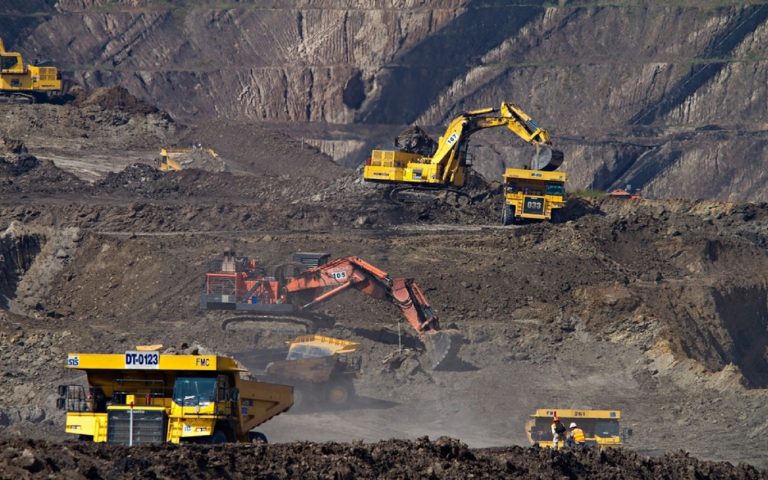

Nigeria is an endowed country with so many natural resources. There are numerous natural resources to which Nigeria is endowed. They include but are not limited to the following: Coal, Bitumen, Limestone, Iron Ore, Barytes, Gold, etc. Almost every state in the Federation has at least one or two mineral resource deposits.
However, the mining sector of the country does not appear to be fully capitalizing on the opportunities within the industry, despite the implementation of legal and regulatory frameworks by successive administrations. These frameworks, both past and present, have seemingly failed to address the substantial challenges confronting the sector.
The Nigerian mining sector has the potential to significantly contribute to the overall GDP of the Nigerian economy. This can only be achieved if the government implements relevant policies and enforces the laws and regulations governing the sector. The mining industry, which historically played a noteworthy role in bolstering the Nigerian economy by contributing approximately 4 to 5 per cent of the GDP during the 1960s and 1970s, has experienced a notable decline. In recent years, its contribution has dwindled to a mere 0.17 per cent of the GDP.
The above is a result of the sole concentration of the government on the Oil Industry, thereby neglecting other industries of the country. The mining industry has great potential to contribute to the development of the Nigerian economy.
For Nigeria to diversify its economy, the country needs to explore other sectors such as the mining industry. This sector has historically been a significant contributor to the country’s economic growth. There is no more opportune time than now for Nigeria to focus on diversifying its economy.
LEGAL FRAMEWORKS FOR THE NIGERIAN MINING SECTOR
It is now imperative to delve briefly into the laws regulating the mining industry in Nigeria. However, it must be noted that apart from the main law and other subsidiary regulations made under the Act regulating the sector, there are other equally important laws that are crucial due to their unique nature and impact on doing business in Nigeria.
1. THE 1999 CONSTITUTION OF THE FEDERAL REPUBLIC OF NIGERIA (AS AMENDED)
The 1999 Constitution is the chief law of all legislation in Nigeria. All other laws of the country, whether an Act of the National Assembly or a law of the State House of Assembly derive their validity from the provisions of the Constitution. Any law that is inconsistent with the provision of the Constitution is void to the extent of its inconsistency. The provision of the Constitution prevails over all other laws in Nigeria.
About the mining sector in Nigeria, mines and minerals are listed in item 39 in the exclusive legislative list in the second schedule of the Constitution. Therefore, it is the Federal
Government through the National Assembly that can legislate on the mining industry in Nigeria.
2. THE MINERALS AND MINING ACT, 2007
The Minerals and Mining Act, 2007 is the primary legislation on the Mining sector in Nigeria. The Act regulates all aspects of the exploration and exploitation of mineral resources in Nigeria. Some have argued that the Act reflects the provisions of the Constitution by further providing that mineral resources are vested in the Federation on behalf of the people of Nigeria.
The Mineral and Mining Act also provides that all lands in which the minerals have been found in commercial quantities shall be acquired by the Federal Government in accordance with the Land Use Act. Hence, State Governments play a significant role in Nigeria’s mining sector, as the land with solid minerals belongs to the State Governors.